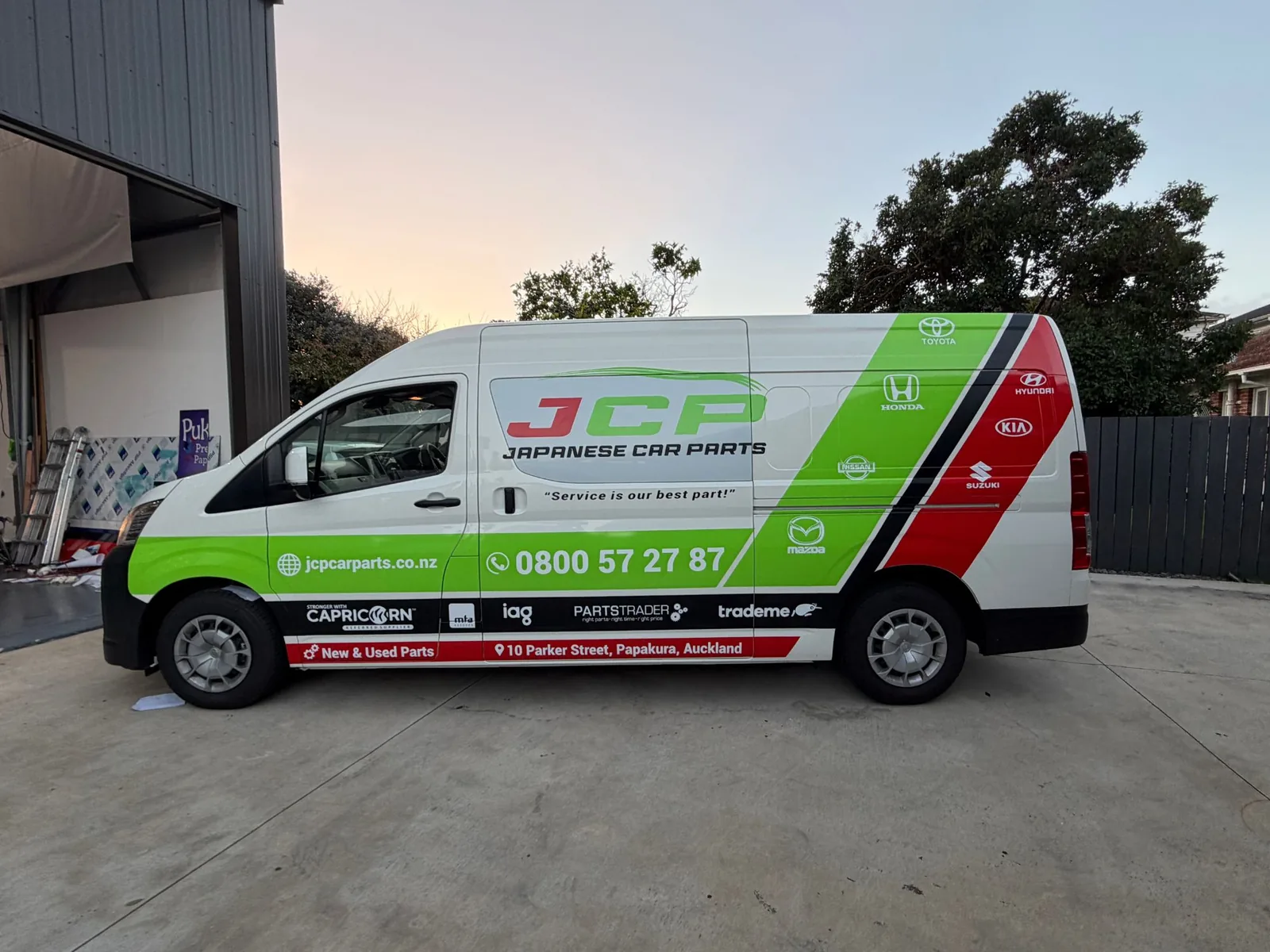
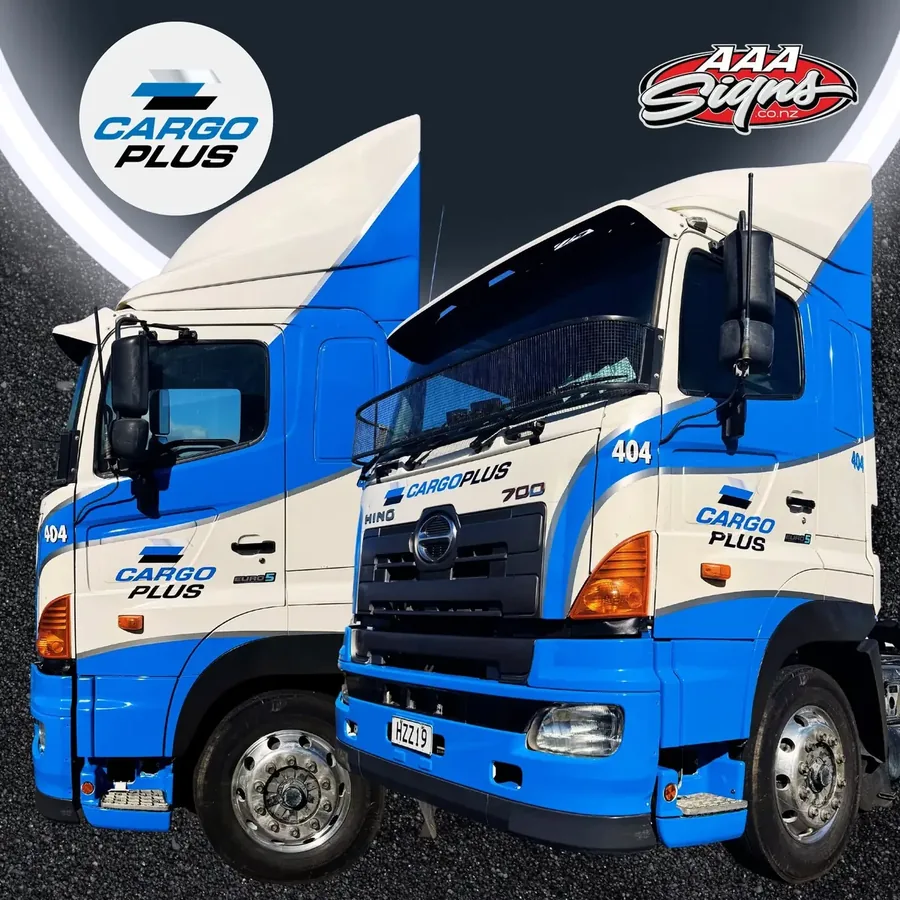
A single wrapped ute is a design problem. A fleet is a consistency problem — the artwork, colours and material have to look identical on the truck you signed off in January and the one that joins the fleet in November. That's a different job to a one-off vehicle wrap, and we run it differently.
What fleet signage covers
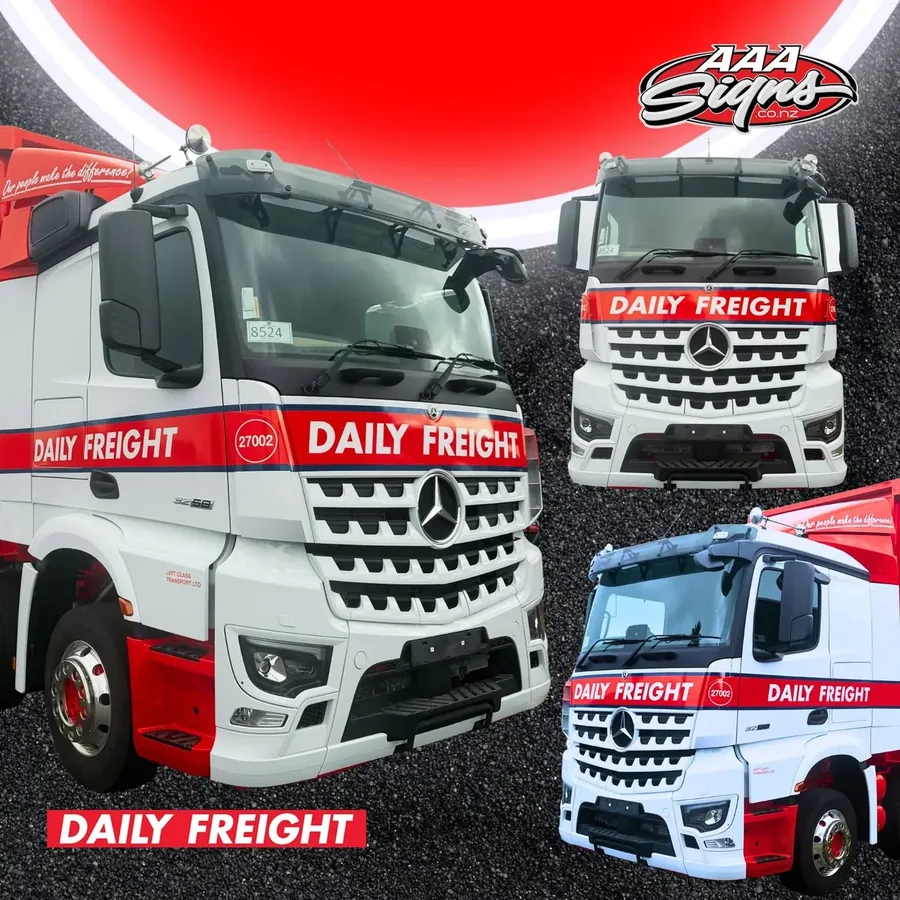
- Commercial truck signage — larger flat panels, bigger viewing distances, and often compliance details like company name, RUC or transport licence information.
- Multi-vehicle rollouts — vans, utes and cars branded to one consistent standard across the whole roster.
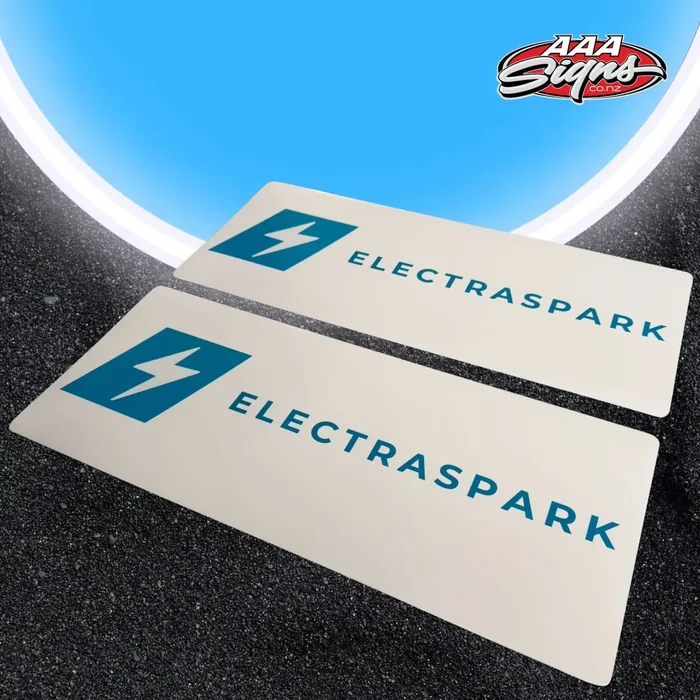
- Magnetic signage — removable panels for hire vehicles, occasional-use vehicles, or fleets that turn over often.
- Cut vinyl fleet lettering — company name, phone number and logo, applied fast and cost-effectively across many vehicles.
One spec, applied consistently
Before the first vehicle goes into production, we lock in the artwork file, exact colour references and material spec for the fleet. Every vehicle after that is built from the same file — not redrawn or eyeballed to "close enough" — so there's no visible drift between a truck wrapped this month and one wrapped next year when a new vehicle joins.
Rolling out without taking your fleet off the road
Most operators can't afford to have their whole fleet off the road at once. We typically schedule vehicles through in batches that fit your operation — a few per week, around routes and rosters — so the rollout can stretch over weeks or months without disrupting the work the vehicles are actually there to do.
Wraps, cut vinyl or magnetic — matched to how the vehicle is used
Not every vehicle in a fleet needs the same treatment. Owned vehicles in daily use are usually best served by a wrap or cut vinyl for durability. Hire vehicles, casual-use personal vehicles, or fleets that resell regularly often make more sense with magnetic signage — full branding when it's working, removable when it's not. We'll recommend the mix that suits your fleet rather than a single default.
Trucks specifically
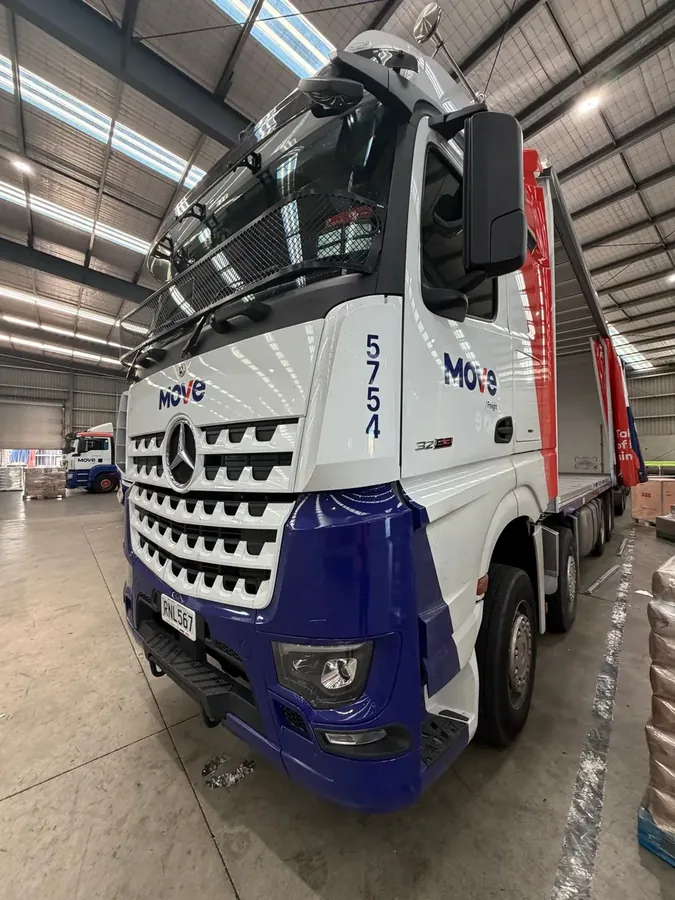
Larger commercial trucks and trailers get planned differently from a car or van — bigger flat panels change what layout works, viewing distance from other road users changes type sizing, and there's often compliance signage (company details, RUC licence numbers) to fit in alongside the branding. We handle both in the same job so the truck reads as one coherent piece of signage rather than branding plus an afterthought sticker.
This is part of our Auckland-wide service, including Henderson, Manukau and Pakuranga — see all areas we serve.